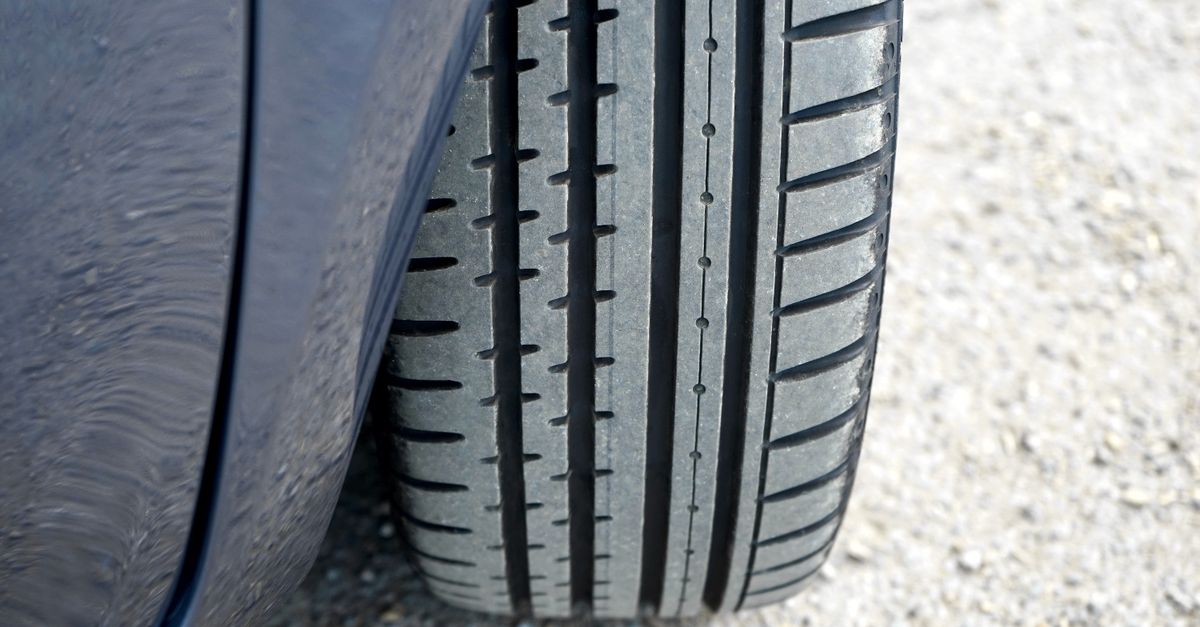
You just spent good money on a fresh set of tires. They look great, the ride feels smoother, and you’re ready to hit the road. But here’s the thing many drivers miss: new tires aren’t just ‘plug and play.’ There’s a critical period and a few often-overlooked steps you need to take right after installation to ensure you’re getting the most out of your investment, preventing early wear, and maximizing your safety. In my experience, skipping these initial precautions is the mistake I see most often, leading to premature tire failure or diminished performance. What changed everything for me was adopting a methodical approach to break in and monitor new tires. It’s not just about the installation; it’s about the first few hundred miles.
Key Takeaways
- Always allow for a proper break-in period of 500 miles, avoiding aggressive driving to set the rubber.
- Verify tire pressure within the first 24 hours and monitor it weekly, as initial settling can alter readings.
- Be acutely aware of your car’s handling during the break-in; new tires will feel different and may require minor steering adjustments.
- Schedule a follow-up alignment check within 1,000 miles to correct any settling-induced changes and prevent uneven wear.
Understand the Break-In Period: The First 500 Miles Are Crucial
When you get new tires, they come with a mold release lubricant and a slightly different tread depth and compound rigidity than worn tires. This isn’t just cosmetic; it significantly affects how they grip the road. The mistake I see most often is drivers treating new tires like old ones, immediately pushing them to their limits. This is a recipe for disaster. That initial coating needs to wear off, and the rubber compounds need to flex and settle into their operational temperatures and stresses. For at least the first 500 miles, you need to drive conservatively. This means avoiding hard acceleration, aggressive braking, and sharp turns. Think of it like breaking in a new engine; you’re allowing the components to mate properly under gentle conditions. In my experience, vehicles that ignore this period often show irregular wear patterns much earlier, particularly on the shoulders of the tires, because the rubber was torn or stressed before it had a chance to properly conform.
During this break-in, you’ll notice a slightly different feel. The steering might feel a bit lighter or even vague, and the car might ‘float’ more. This is normal. It’s the tires adapting to your vehicle and the road. What changed everything for me was realizing this period isn’t a suggestion, it’s a fundamental part of the tire’s lifecycle. Manufacturers design tires with this in mind. Ignoring it means you’re effectively short-changing your tires’ potential lifespan and performance right from the start. A real comparison would be trying to run a marathon in brand new, stiff shoes versus a pair you’ve broken in over several weeks – the difference in performance and comfort is stark.
Recheck Tire Pressure Within 24 Hours, Then Weekly
Most people assume the tire shop sets the pressure perfectly, and it stays that way. This is a dangerous assumption with new tires. After initial installation, the tire beads (the edges that seal against the wheel rim) can settle slightly, causing a minor but significant drop in pressure. The first 24 hours are critical. You should manually check your tire pressure with a reliable gauge. Do not rely solely on your car’s Tire Pressure Monitoring System (TPMS) light, as it often only illuminates when pressure drops significantly below the recommended level – by then, you’ve already driven on underinflated tires for too long.
In my experience, I’ve seen new tires drop 2-3 PSI within the first day, especially if they were inflated while still hot from the installation process. This seemingly small drop can affect handling, fuel economy, and crucially, tire wear. Underinflation causes the tire to flex more, generating excessive heat and leading to increased wear on the outer edges. After the initial check, make it a habit to check your tire pressure weekly for the first month, then revert to monthly checks. This vigilance ensures your tires are always operating within their optimal range, extending their life by potentially thousands of miles and keeping your car safer on the road.
Pay Close Attention to Vehicle Handling During Initial Drives
New tires change the dynamics of your vehicle. The deeper tread, different rubber compound, and often a different design (even if it’s the same brand and model as your old ones) will result in a noticeably different driving feel. The mistake I see most often is drivers being surprised by this and dismissing it as something they’ll ‘get used to.’ While you will adapt, it’s crucial to actively pay attention to how your car handles. Does it pull to one side? Does the steering feel overly sensitive or, conversely, too loose? Are there any unusual vibrations, especially at certain speeds?
In my experience, a slight pull or vibration immediately after new tire installation could indicate a minor balancing issue or, more seriously, an alignment problem that was present but less noticeable with your old, worn tires. These issues, if left unaddressed, will cause rapid and uneven wear on your brand-new tires, negating your investment. A concrete example: I once had a customer who ignored a subtle pull after new tires, only to come back 3,000 miles later with one tire almost bald on the inner edge. A quick alignment check immediately after installation could have prevented that costly damage. This initial observation period is your chance to catch and correct problems before they become expensive repairs.
Schedule a Follow-Up Alignment Check Within 1,000 Miles
Many drivers assume that if their car wasn’t pulling before, they don’t need an alignment check with new tires. This is a common and costly misconception. While a reputable tire shop should offer an alignment check at the time of installation, the act of replacing tires and wheels can sometimes subtly alter alignment settings. Furthermore, your old, worn tires might have been masking an existing, minor alignment issue. New tires, with their full tread depth and fresh rubber, will immediately highlight any alignment imperfections.
What changed everything for me was making a follow-up alignment check within the first 1,000 miles a standard practice. This isn’t just about initial setup; it’s about confirming the tires have settled and the alignment is still true under real-world driving conditions. Even a tiny toe-in or toe-out misalignment, imperceptible to most drivers, will aggressively scrub away rubber on a new tire. This follow-up check ensures that any initial settling or minor shifts are corrected, optimizing your tires for even wear and maximum longevity. It’s a small investment (typically $70-$100) that can save you hundreds in premature tire replacement, making it a no-brainer in my book.
Frequently Asked Questions
Do new tires require special care right after installation?
Yes, absolutely. New tires need a break-in period of around 500 miles. During this time, avoid hard braking, aggressive acceleration, and sharp turns. This allows the mold release lubricants to wear off and the tire components to settle, optimizing their performance and longevity.
How soon should I check tire pressure after getting new tires?
You should manually check your tire pressure within 24 hours of installation, and then weekly for the first month. New tires can experience a slight pressure drop as the beads settle against the rim, and maintaining correct pressure is vital for safety and wear.
Why does my car feel different with new tires?
New tires have deeper tread and a different rubber composition compared to worn ones, which changes the car’s handling. Expect slightly different steering response, grip, and ride comfort. This is usually normal as the tires break in, but monitor for any persistent pulling or vibrations.
Is an alignment check necessary with new tires?
Yes, it’s highly recommended. While a shop may do an initial check, schedule a follow-up alignment check within the first 1,000 miles. This accounts for any settling of the new tires and ensures proper alignment, preventing uneven wear and maximizing tire lifespan. Your old tires might have been masking an existing alignment issue.
Can I immediately drive on the highway with new tires?
Yes, you can, but maintain conservative driving habits. Keep speeds reasonable, avoid sudden maneuvers, and allow for ample stopping distance. The highway provides consistent driving, which is good for breaking in, but don’t push the tires to their limits until the 500-mile break-in period is complete.
By following these often-overlooked steps, you’re not just ensuring your safety; you’re actively protecting your investment. New tires represent a significant cost, and a little extra attention in the initial stages can add thousands of miles to their life and keep your vehicle performing as it should. Don’t let your good money go to waste by skipping these crucial post-installation precautions. Get into the habit of this checklist, and your tires – and your wallet – will thank you.